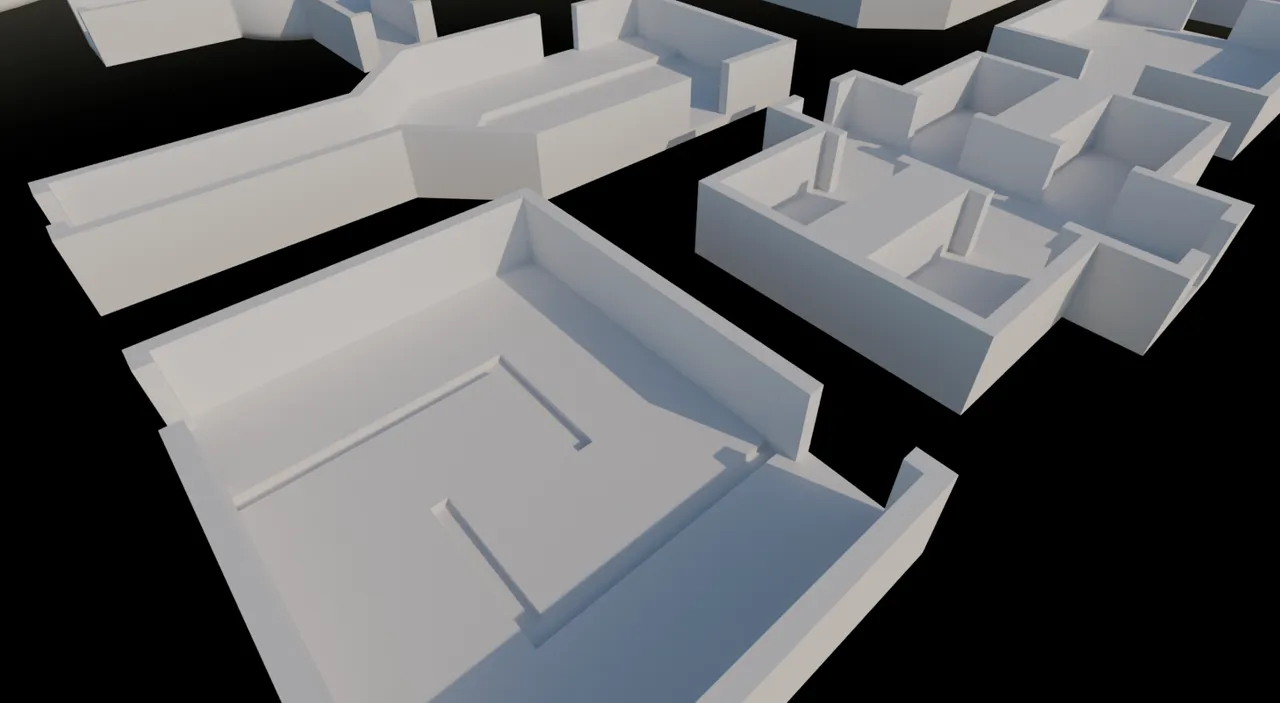
1. Find a jam
itch.io lists game jams with dates, rules and themes at itch.io/jams. Well-known recurring jams include the Global Game Jam and the GMTK Game Jam; dates change every year, so check each jam page. Read the rules for asset use, team size and whether pre-made assets are allowed.
2. Choose a small idea
Wait for the theme, then pick the simplest idea that fits. Our game idea generator combines a genre, a twist and a constraint if you are stuck. Write the core loop in one sentence, as in how to scope your first indie game.
3. Plan the hours
| Time | Goal |
|---|---|
| First 20% | Core mechanic playable with grey boxes |
| Next 40% | Content and level |
| Next 20% | Art, sound and polish |
| Last 20% | Bug fixes, build, page and submission |
Submit early. Many jammers lose a game to an upload problem in the final hour.
4. Use ready assets if the rules allow
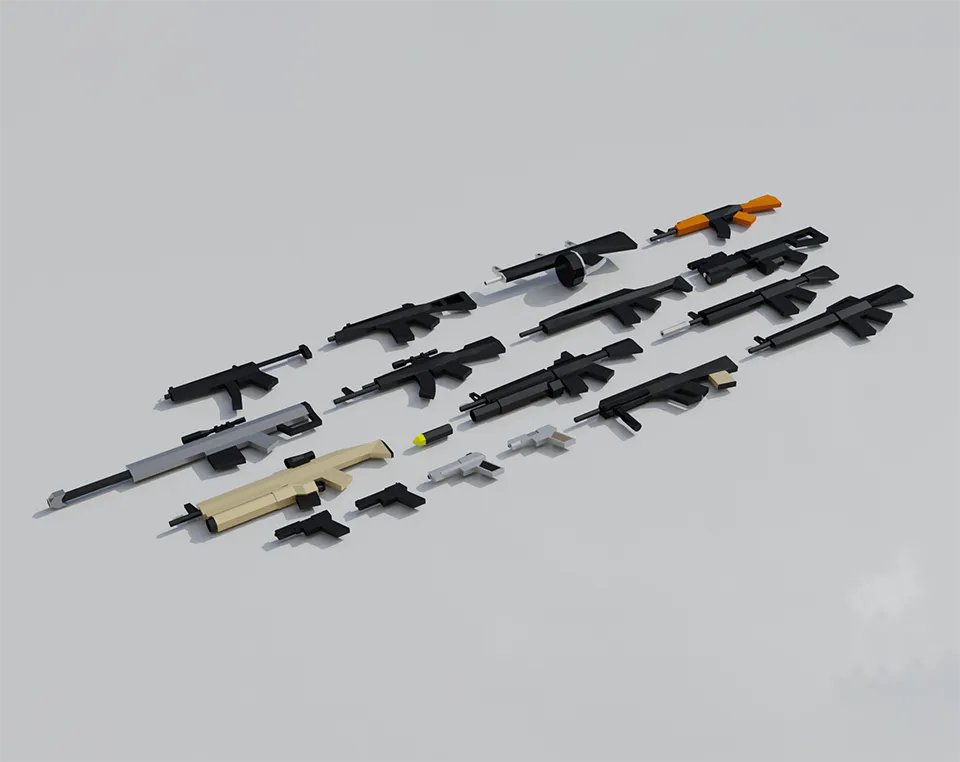
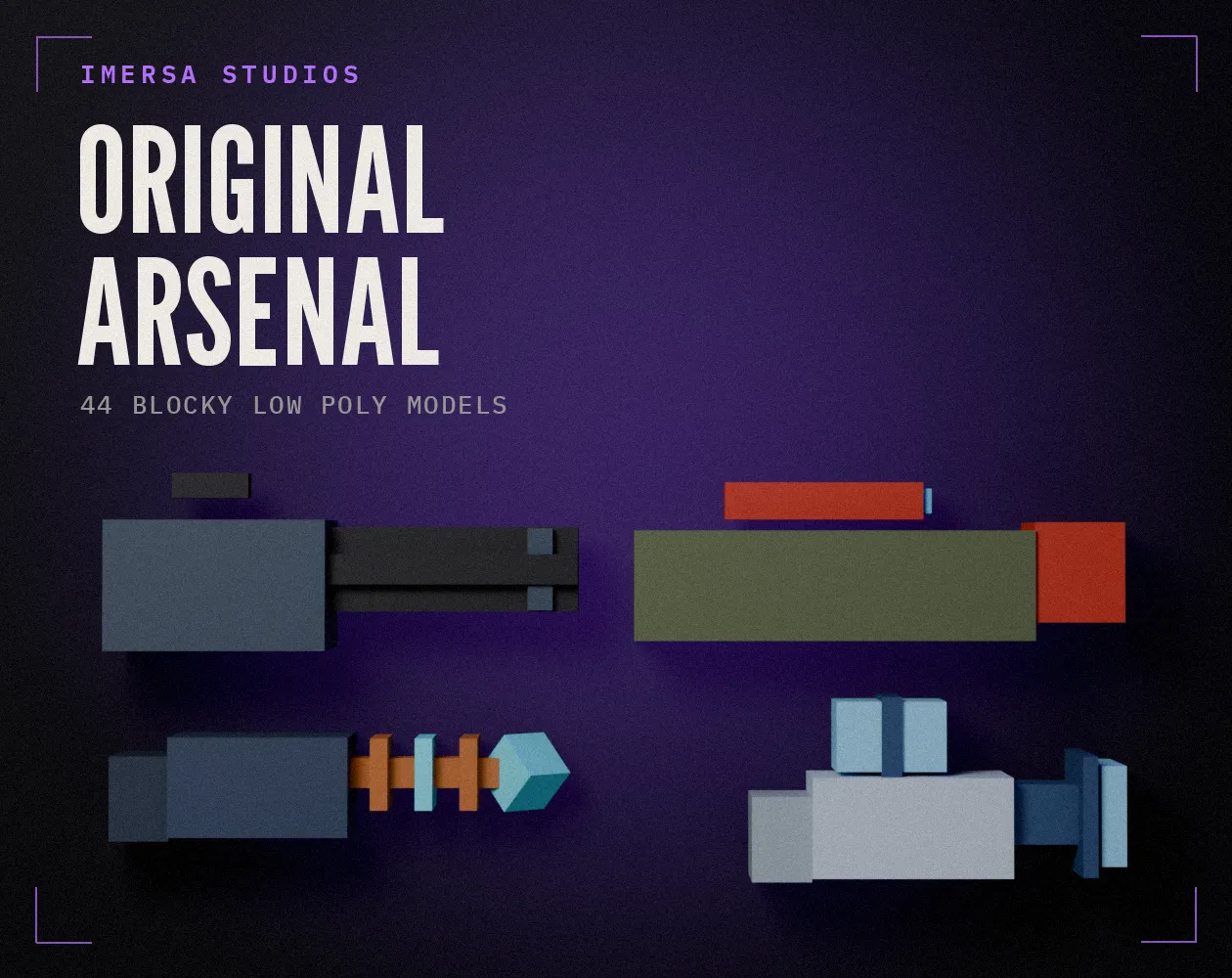
Many jams allow existing assets if you credit them. Free libraries and affordable packs let you spend time on gameplay. For a shooter, a pack such as FPS Guns or the Original Arsenal gives you weapons immediately, and the asset budget planner helps you pick.
5. Submit and follow up
Publish a page with a clear cover, a one-sentence description and simple controls. Play and rate other entries; it is the best way to get feedback in return. After the jam, fix the top bugs and decide whether the idea deserves a longer project.
Questions
No. Many people jam solo. Check each jam's rules for team limits.
It depends on the jam. Read the rules and credit the assets you use.
Pick the simplest idea that fits the theme and describe the core loop in one sentence.
Submit what works. A small, finished prototype is better than an unfinished idea.
Who wrote this
Imersa Studios builds the Unity systems, low poly packs and field guides sold on itch.io. The code and techniques here come from shipping those products. More about the studio.