1. Pick an idea you can finish in weeks
Your first game is a learning project. Choose one mechanic, such as jumping over gaps, collecting items before a timer ends or surviving waves. If the idea needs a story, an open world and online play, it is too big. Our scoping guide shows how to cut an idea down to its core loop.
Stuck for an idea? The game idea generator combines a genre, a twist and a constraint into one sentence.
2. Choose one engine and stay with it
Godot, Unity, Unreal and GameMaker can all ship a first game. Pick one with a beginner tutorial you can follow and do not switch halfway. Which game engine should you use compares them.
3. Build the core loop with grey boxes
Use cubes and squares until the game is fun with ugly art. If it is not fun with boxes, better art will not save it. Get a character moving, one obstacle and one way to win or lose.
- Move the player.
- Add one thing that can hurt or block them.
- Add a goal and a restart.
- Play it ten times and note what feels bad.
4. Add art and sound
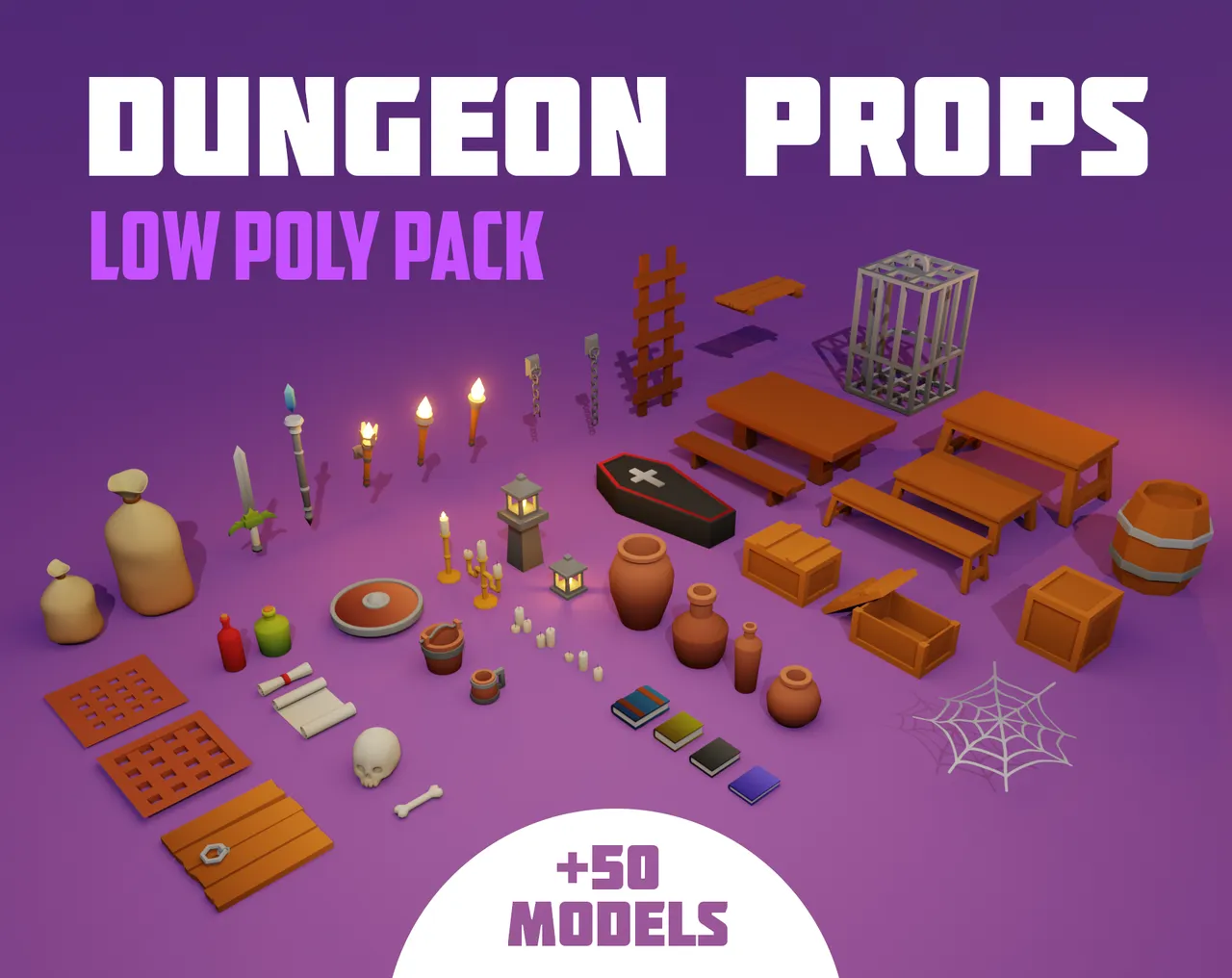
Now replace the boxes. Use free or cheap assets to stay fast, or make your own with the guides on textures and low poly modeling in Blender. Sounds make a prototype feel real: try the free retro sound effect generator.
5. Test with strangers
Watch someone play without helping. Where they get lost is a design problem, not a player problem. Five people will find most of your biggest issues.
6. Publish it
A game nobody can play teaches you nothing. Publish on itch.io, write a clear page and ask for feedback. Finishing and shipping is a skill, and you only learn it by doing it.
7. Make the next one
Write down what went wrong, keep what went well and start a slightly bigger project. The Preflight checklist covers everything from first idea to launch month.
Questions
Pick a tiny idea with one mechanic, choose an engine and follow its beginner tutorial. Build the core loop with simple shapes before you worry about art.
A small game you can finish in weeks, such as a platformer level, a top-down shooter arena or a puzzle. Avoid open worlds and multiplayer.
No. Basic arithmetic is enough to start, and you can use free or cheap art assets while you learn.
Cut features until the plan fits your free hours, build the fun part first and set a release date.
Who wrote this
Imersa Studios builds the Unity systems, low poly packs and field guides sold on itch.io. The code and techniques here come from shipping those products. More about the studio.