1. Know what makes it work
Hollow Knight, made by the small Team Cherry, shows that a few things done to a very high standard can carry a game: precise movement, a world that loops back on itself, atmosphere and bosses. Study why those work, then build your own world and characters. Do not copy its art, names or story.
2. Prototype the movement first
In a metroidvania, moving feels like the game. Build a controller with variable jump height, coyote time and jump buffering before anything else. Our 2D platformer controller guide has a Unity script.
3. Design the map on paper
- Draw five or six areas as boxes and connect them with doors and shortcuts.
- Place ability gates: a wall you cannot pass until you get a double jump or dash.
- Make sure every ability opens at least two new routes, and every area loops back to a hub.
4. Add one ability at a time
| Ability | What it unlocks |
|---|---|
| Double jump | Higher ledges |
| Dash | Wide gaps and fast escapes |
| Wall cling | Vertical shafts |
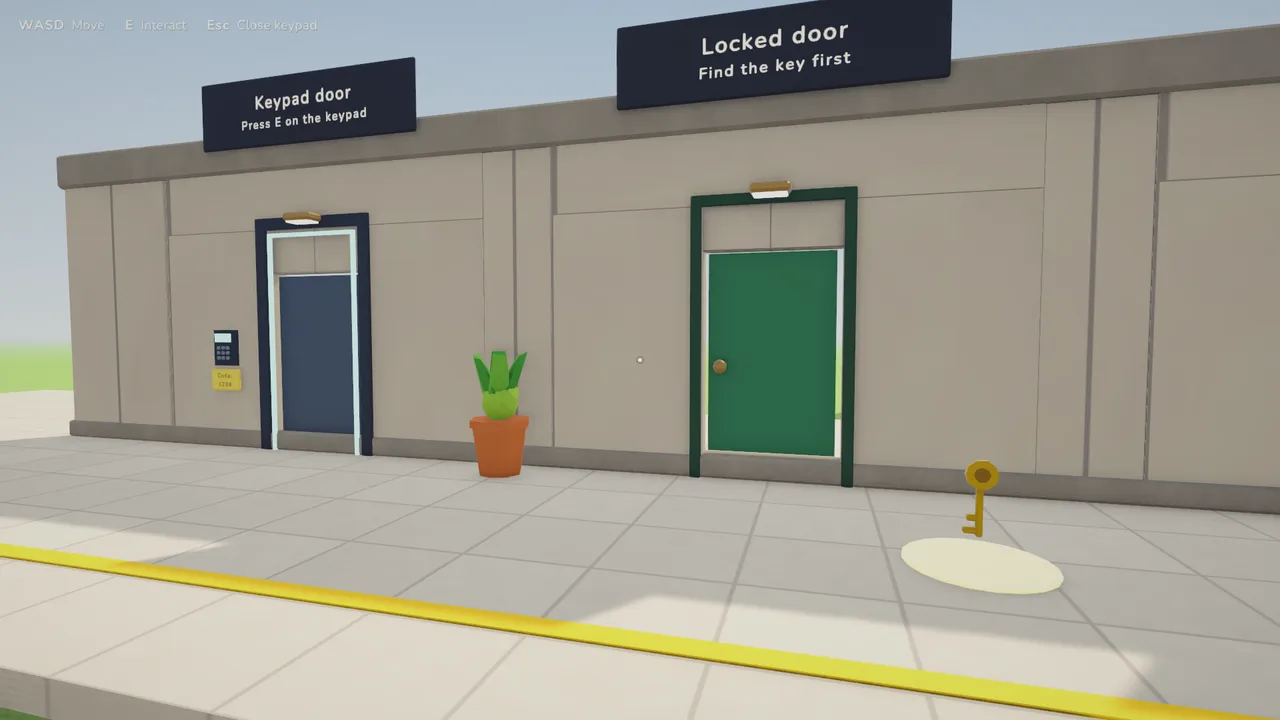
| Key or tool | Locked doors and shortcuts |
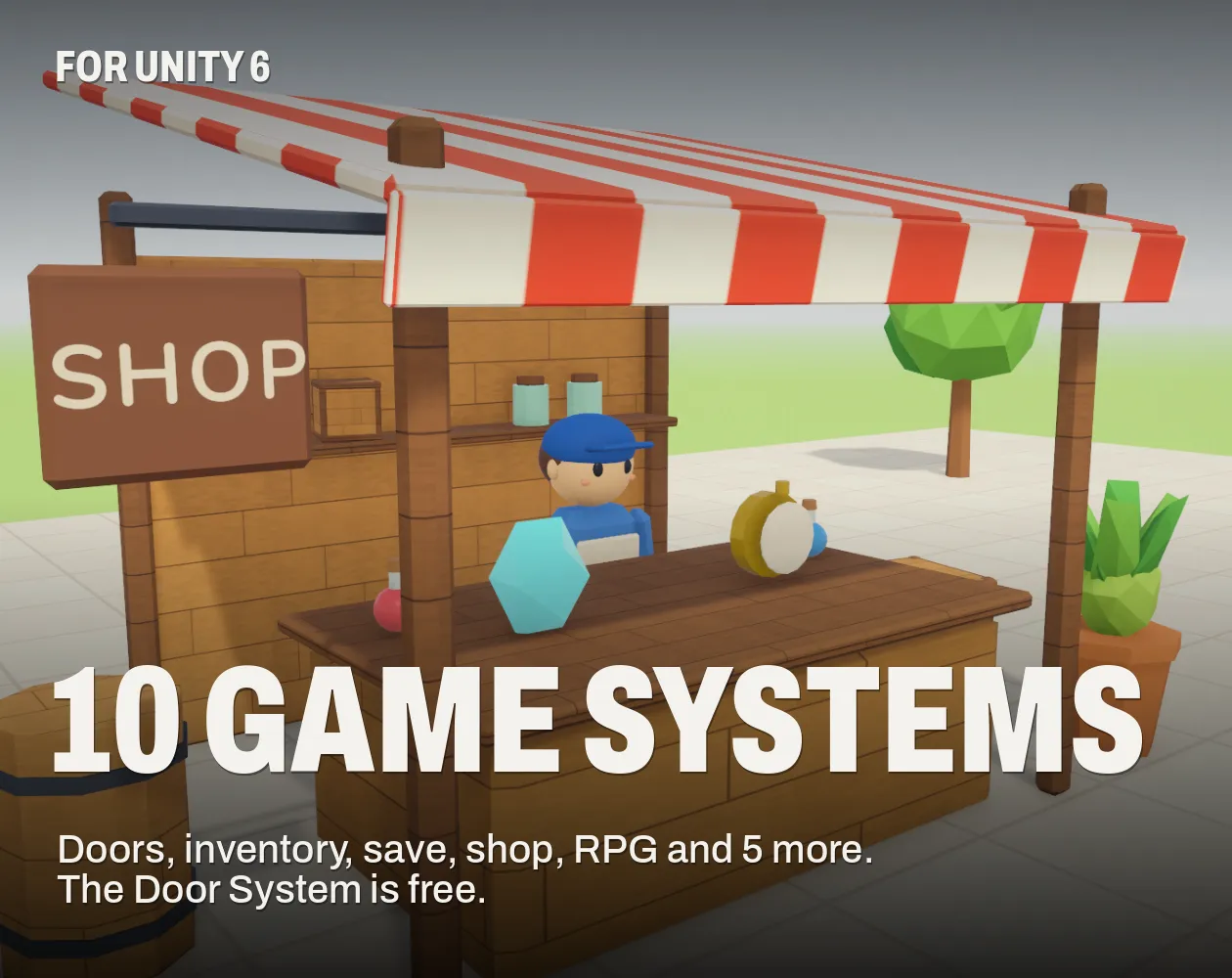
Use a save system so players can rest at benches and keep unlocked abilities, and an inventory for charms or items. See how to make a save system in Unity.
5. Combat and bosses
Keep combat readable: short wind-ups, clear hit feedback and few enemy types, each with a distinct pattern. Bosses are your biggest content, so plan only as many as you can polish. Three to five great bosses beat twelve average ones.
6. Art and atmosphere
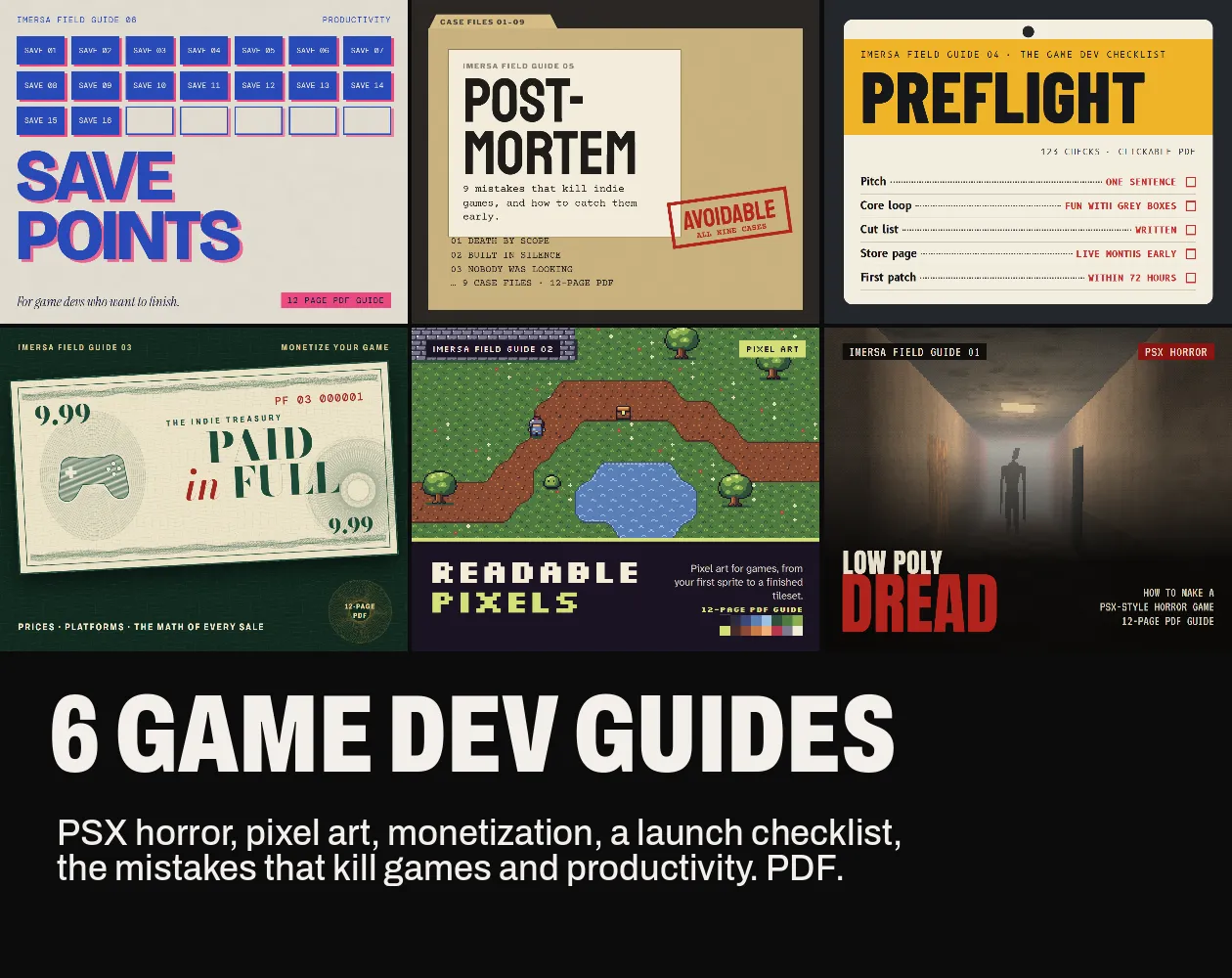
A limited palette and strong silhouettes sell atmosphere cheaply. Readable Pixels covers pixel art readability, and the pixel sprite editor and spritesheet previewer help you iterate.
7. Scope it so you finish
A full metroidvania is a large project. Build one area completely, with one ability and one boss, as a vertical slice and show it. Then use how to make a successful indie game and the launch checklist to plan the rest.
Questions
Yes, if you keep the map small and the art style simple. Many solo metroidvanias exist. Scope is the main risk.
Godot, Unity and GameMaker all work well for 2D. Choose the one you know best.
For a first one, five or six interconnected areas with a handful of abilities is a good target.
Give them readable patterns, clear telegraphs and a fair challenge, then playtest repeatedly.
Who wrote this
Imersa Studios builds the Unity systems, low poly packs and field guides sold on itch.io. The code and techniques here come from shipping those products. More about the studio.